Concrete and foundation work sits underneath everything that comes later. When a slab is uneven, concrete is cracked or worn, or a new structure needs a stable starting point, the condition below the finished surface matters just as much as what will be built on top of it.
At Gateway Builder, we take on concrete and foundation work in Fairfield, CA, for residential and commercial projects. Our work can include foundation installation, concrete pouring, repairs, and concrete-related construction tied to larger building or remodeling projects. We look at the existing condition, the purpose of the concrete, and what the next stage of construction will require before deciding how the work should move forward. A strong result starts at the base, not with the finish.
Concrete often gives visible clues when an area needs attention.
Look more closely when you notice:
Cracks that continue to widen or return
Uneven or settled concrete areas
Chipped, broken, or deteriorating sections
Concrete that no longer meets cleanly with nearby surfaces
Not every crack means the same thing. Some conditions may be limited to the surface, while others deserve a closer look at the concrete, base, or surrounding area.
Concrete work can serve very different purposes depending on the property. Some projects need a new base for construction, while others involve damaged or aging concrete that no longer performs the way it should. We first look at how the area is being used, what condition it is in, and whether other construction will depend on it.

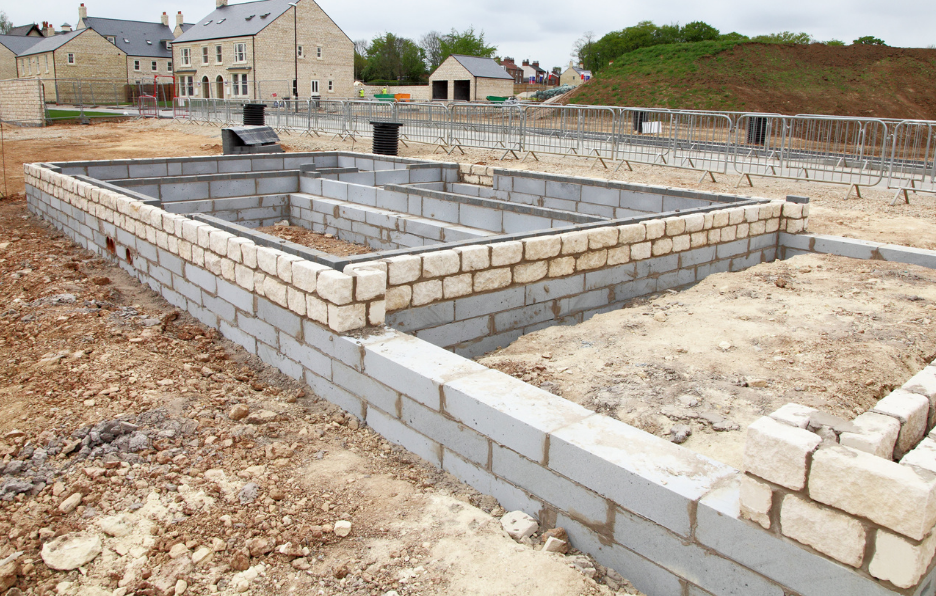
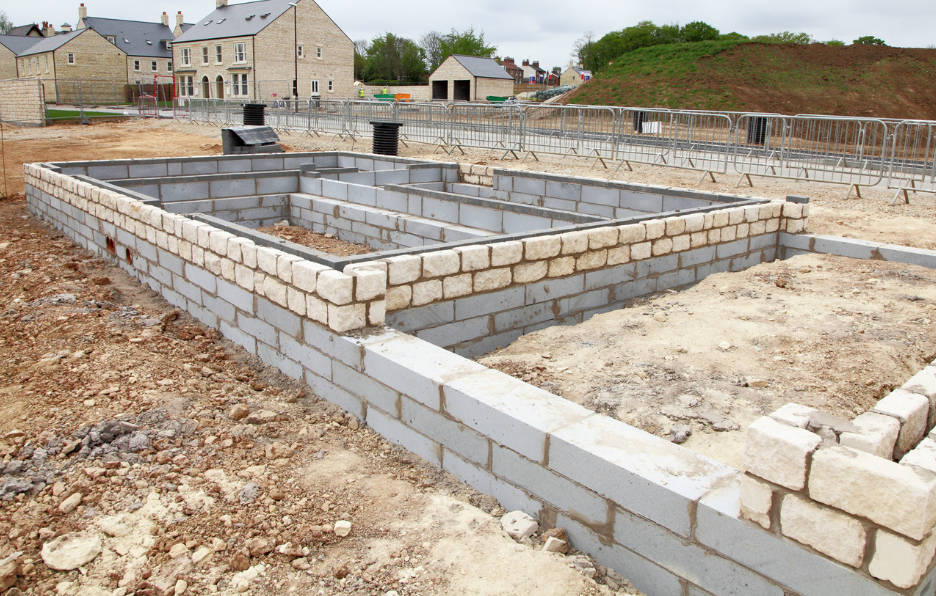
Foundation work is needed when new construction requires a proper structural base. The scope depends on the project, planned structure, site conditions, and construction requirements. This work becomes especially important when future framing, walls, or other structural elements will rely on the foundation below them.
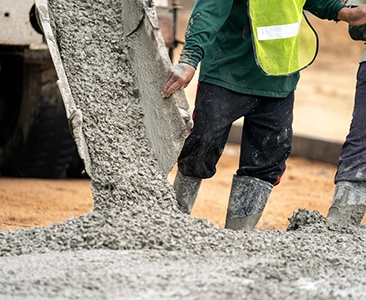
New concrete may be part of a construction project, replacement work, or another property improvement. Preparation before the pour is important because the finished concrete depends on what supports it underneath. The area, edges, level, access, and connection to nearby surfaces should all be considered before placement begins.
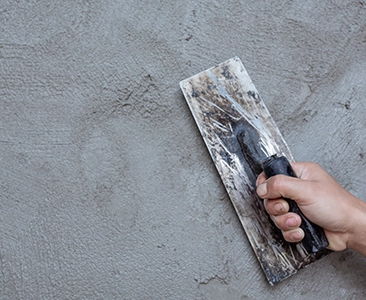
Repair may make sense when an existing concrete area has localized cracks, damaged sections, worn edges, or another condition that can be addressed without replacing everything. The goal is to determine whether the problem is limited to one area or whether the surrounding concrete is showing signs that a larger solution may be needed.
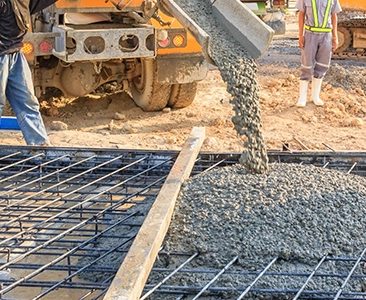
Concrete and foundation work may also connect with residential construction, framing and carpentry, decks, or other projects that rely on a suitable base. We consider what will be built next instead of treating the concrete as an isolated step. That helps keep the base, structural work, and later finishes aligned with the same project plan.
The size of a visible crack does not always tell the whole story.
The important question is not simply “Can this crack be filled?” It is whether repairing the visible area is enough for the condition underneath.
| What You Notice | What Should Be Considered |
|---|---|
| Fine surface cracking | Location, age, and whether it is changing |
| Repeated cracking in one area | What may be happening beneath or around the surface |
| Uneven concrete | Level changes and surrounding conditions |
| Broken edges | Extent of damage and remaining concrete condition |
| Cracking near planned construction | Whether the existing area suits the new work |
Deciding between repair and replacement should depend on more than appearance. A small damaged section may still sit within otherwise usable concrete, while widespread cracking, movement, or deterioration may point toward a larger issue.
We look at the extent of the damage, the condition of the surrounding area, and what the concrete needs to support before deciding which direction makes sense.
The issue is limited to a smaller area and the surrounding concrete remains suitable for its intended use. Local repairs can be a practical option when damage has not spread and the rest of the surface remains stable enough to continue serving its purpose.
Damage is widespread, the existing area no longer suits the project, or new construction requires a different base or concrete layout. Starting fresh may also be the better choice when several damaged areas are appearing across the same surface.
The project involves new construction or another scope where the structure needs a planned supporting foundation. Foundation work may also need to be considered when future framing or structural elements depend on the base below.
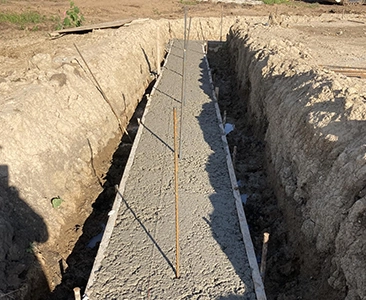
Before a pour, the area may need preparation based on the project. Dimensions, level, surrounding surfaces, planned loads, edges, access, and the construction that follows can all affect how the work needs to be set up.
We do not treat every damaged concrete surface as a replacement job. The amount of work should match the condition, the intended use of the area, and what the concrete needs to support next.
What Has to Happen Before Concrete Is Poured?
This becomes especially important when concrete will support framing, an outdoor structure, or another part of a larger project. A mistake at the base can affect the work that comes after it.
Concrete often connects to another trade.
A foundation may support framing. New concrete may meet stairs, walls, fencing, or another finished surface. A larger remodeling or construction project may also require plumbing, electrical, or other work to be considered before certain areas are completed.
We look ahead to those connections because it is easier to account for them before the concrete is finished than to work around them later.
We pay attention to what supports the finished concrete and what the concrete itself needs to support. That keeps the focus on the complete construction condition rather than only the visible surface.
A worn area, isolated crack, new foundation, and construction base are not the same job. We look at what the property actually needs before shaping the scope.
When framing, carpentry, fencing, decking, or other construction follows, we consider those connections while the concrete work is being planned.
No. Cracks can have different causes and levels of importance. The condition, location, surrounding concrete, and whether the crack is changing should be considered before deciding what work makes sense.
Sometimes. Localized damage may be repairable when the surrounding concrete remains suitable. More extensive deterioration may require a different approach.
Yes. Foundation installation can be part of new construction when the project requires a planned structural base.
Yes. Concrete and foundation work can connect with residential construction, framing, carpentry, fencing, decking, and other parts of a larger project.
Yes. We work with both residential and commercial construction needs in Fairfield and nearby communities.
Whether you are dealing with damaged concrete, planning new construction, or preparing for a project that depends on a solid base, talk with Gateway Builder about what the area needs to support.